
How to Choose the Right Lithium Battery Manufacturer?

How to Choose the Right Lithium Battery Manufacturer? As a user of lithium battery, it is equally important to choose a right lithium battery manufacturer. The demand for lithium-ion batteries is increasing gradually with its successful use in EVs. Thus, the focusing area is to select the right lithium battery manufacturer. Criteria for choosing the right lithium-battery manufacturer Check the quality of product and certification The sign of a good lithium battery manufacturer is they usually follow the global quality standard. For performance benchmarks, examine the certifications such as ISO 9001, UN38.3, IEC and BIS. Check weather the lithium battery is offering longer life cycle, stable output and good energy density. Look for the technology You must look for the technology used by the manufacturer. A strong indicator for a good battery is solar storage, good power backup etc. Always choose smart battery management system (BMS). Warranty and safety One thing that cannot be negotiated is safety. The sign of a good manufacturer is conducting rigorous testing for overcharging protection, thermal stability and short-circuit resistance. As a customer you must also look for good after-sale support and a solid battery warranty. This reflects confidence in quality of product. Sustainability and pricing It is always wise to choose after comparing the pricing matter without compromising on the quality of the product. Considering the recent environmental condition, you must go for lithium battery that can be recycled. This will ensure sustainability and alignment with the global environmental standard. Conclusion The performance of your lithium battery depends more on the lithium battery manufacturer you choose. For good results focus on some points like technology, experience, sustainability and certification of the manufacturer. Choose the best manufacturer because they are the source of energy need for your lithium battery.
Lithium-Ion vs Lead-Acid Batteries: A Detailed Comparison
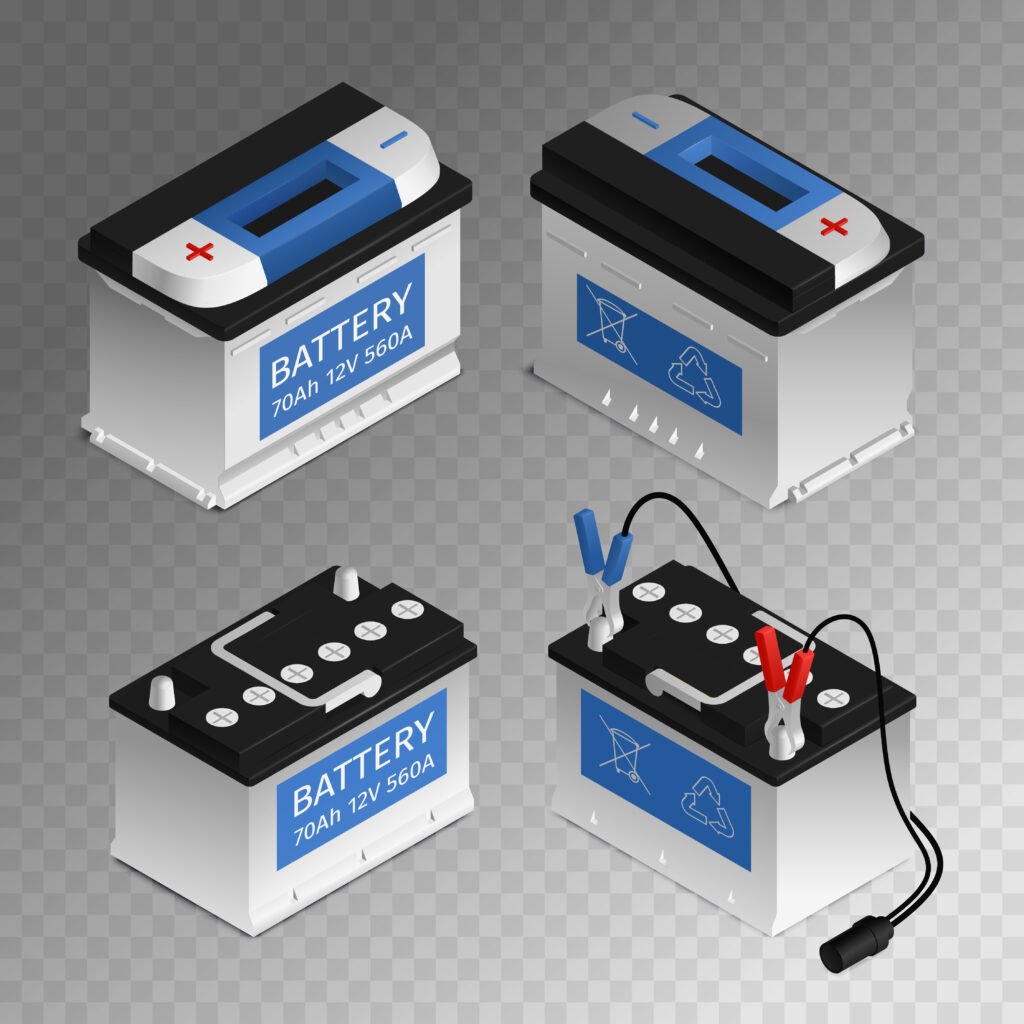
Lithium-Ion vs Lead-Acid Batteries: A Detailed Comparison The performance of your electric vehicle depends on choosing the right battery. But which one is best for your EV? The common options available in the market nowadays are lead-acid batteries and lithium-ion batteries. Let us understand in more detail about their costing, performance, efficiency and longevity. Comparison between Lithium-Ion and Lead-Acid Batteries Performance and longevity The lifespan of lithium-ion batteries is typically longer as compared to lead-acid batteries. Usually lithium-ion batteries lasts for 8 to 10 years whereas lead-acid batteries last for 2 to 4 years. The technology of lithium-ion is ideal for EVs. Energy efficiency When it comes to energy efficiency, lithium-ion batteries are well ahead as compared to lead-acid batteries. The efficiency rate of lithium -ion batteries are more than 90% while in the case of lead-acid batteries, its only70-80%. Moreover, lithium-ion batteries are compact as well as light weight but lead-acid batteries are heavy and bulky. Maintenance factor Regular maintenance like water refilling and corrosion checks are mandatory for lead-acid batteries. Whereas lithium -ion batteries are free from maintenance and suitable for modern electric vehicles. With the advancement in the battery management system (BMS), lithium-ion batteries are safer as overheating and overcharging is prevented. Costing The initial cost of lithium-ion batteries is higher than lead-acid batteries but considering its longevity and low maintenance, it is worth investing in lithium-ion batteries. It lowers the total cost of ownership. Impact on environment Lithium-ion batteries can be recycled and are therefore eco-friendly. While lead-acid batteries have toxic materials in it and risky for the environment, if not disposed in a proper way. Conclusion Lithium-ion batteries are undoubtedly a smart choice for the future applications and EVs. They are safer than lead-acid batteries and saves environment as well as cost. It is a better source of investment for long-term use and offers superior efficiency. For more details contact Illicium Motors.
Lithium Battery Recycling: Process, Challenges & Future

Lithium Battery Recycling: Process, Challenges & Future The importance of lithium batteries is increasing day by day. With the increasing demand, the other thing that is an urgent issue is the need to recycle lithium batteries. The process creates a huge positive impact on the environment. But the lithium battery recycling process faces lots of challenging issues that have been discussed in the blog. Let us explore the challenges and future of lithium battery recycling. Process of recycling lithium battery There are several steps involved in recycling lithium batteries. We can discuss them in more expanded form. Collection of batteries, sorting and discharging them while eliminating the risk factor. The second step involves dismantling the battery packs into components and individual cells. The next step follows mechanical processing, separating the metals, plastics, and electrolytes. Extraction of the reusable metals. Refining the reused materials in the production of new batteries. Challenges faced in the process of lithium battery recycling Due to the absence of standardized battery designs, the process of dismantling becomes complex as well as time-consuming. Handling lithium batteries are risky as there are chances of fire and chemical leakage. Economic viability is another challenging factor especially when prices of metal fluctuate. Additional complexity is created due to strict environmental regulations and compliances. Lithium battery recycling and its future With the development in technology, more and more manufacturers are getting interested in investing in a sustainable way of lithium battery recycling. The demand for EVs is increasing with the passing days. It is expected to have a positive and direct in the recycling sector of lithium batteries. The lithium battery recycling process is believed to reduce the carbon footprint in the near future and secure the supply of raw materials. Conclusion The fact is that it is no longer optional to recycle the lithium batteries used in EVs; rather, it has become essential to save the environment and maintain sustainability. With the advancement in technology and innovative approaches, it has become easier to recycle lithium batteries and ensure long-term resource security.
How to choose the right lithium battery for your car?
Selecting the Proper Lithium Battery for Your Car Lithium batteries are being used by the automotive sector at a rapid pace. As time goes on, electric vehicles, or EVs, are growing in popularity. For electric vehicle owners, buying lithium batteries for their vehicles is a more alluring investment. Therefore, it is important to get the right lithium battery for your vehicle. Select the right lithium battery for vehicle Power requirement of vehicle It is important to understand the specification of your vehicle before choosing the right lithium battery. Therefore, you must know the voltage requirement battery capacity and of your electric vehicle. For a smooth operation of your electric car, choose a battery that aligns with the specification of your vehicle. Select the high energy density Lithium-ion batteries tend have high-density which means it supports more power in lighter package. You must always choose a battery offering fast charging capability. A fast-charging battery will save your precious time as well as reduce the cost of charging. Study the battery lifespan You must always look for a battery with a good lifespan. A lithium battery with good standards is expected to perform consistently and reduce your replacement cost in regular interval. Trust reliable manufacturer As an electric vehicle owner, you must choose a reliable manufacturer who will provide the best after-sales service. Customer support and after sale service is very important in purchasing any item. A trusted lithium battery brand is expected to sell certified products with transparent specifications. Conclusion Select a lithium battery that is appropriate for your car to boost its efficiency. It will improve the efficiency of your vehicle efficiency and lower the needless expense of routine battery change. You need to choose a high-performance lithium battery for your car because it deserves the best option.
How Lithium Batteries Are Revolutionizing Fleet Operations
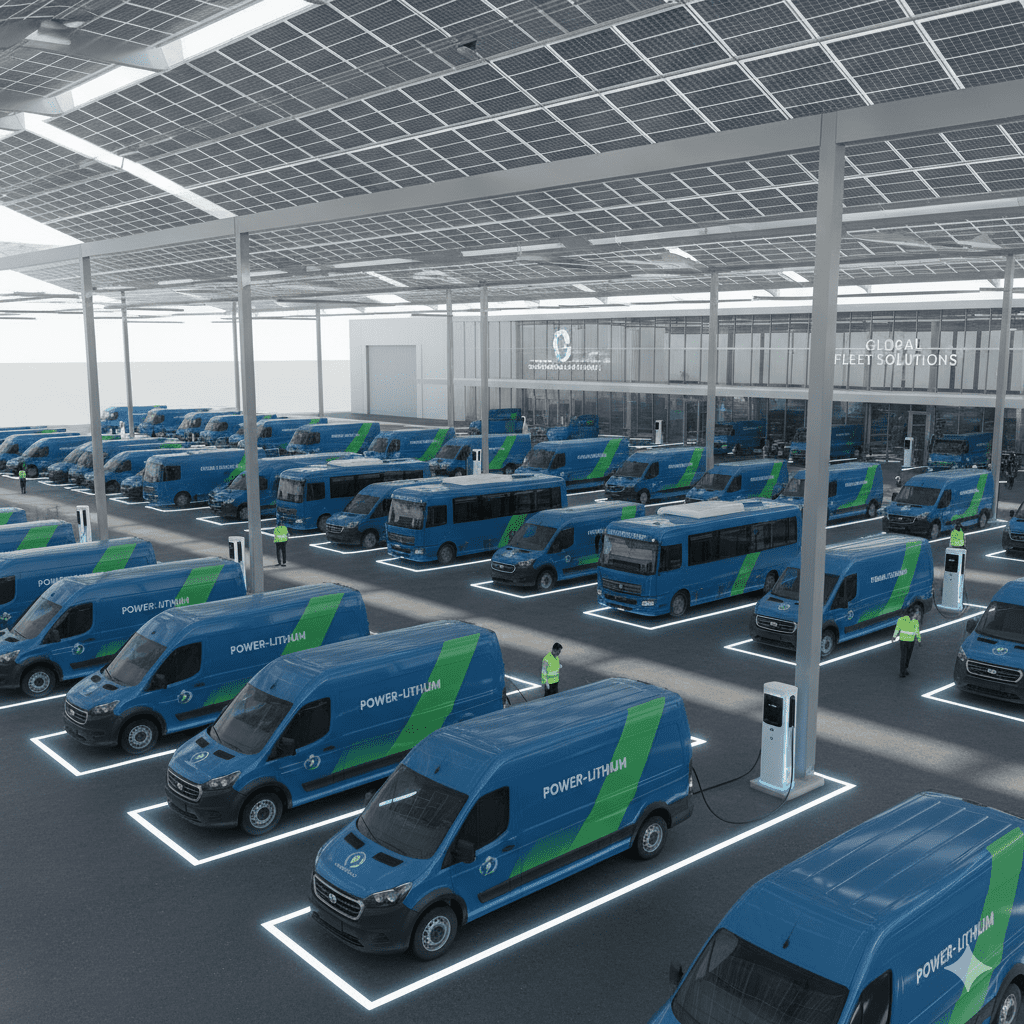
Lithium Batteries and Fleet Operations The present world is concerned about sustainability, and the automobile industry is not behind in the race. The emergence of lithium-ion battery technology has been a boon to the auto industry. Because of its longevity, reliability, and delivery efficiency, lithium batteries are revolutionizing fleet operations. Why are lithium batteries transforming fleet vehicles? High quality performance The energy density of lithium batteries is higher than lead-acid batteries. They are also considered fast charging batteries, which helps in keeping the vehicles on the road for a longer time. Lithium batteries are suitable for vehicles live delivery vans, utility fleets or buses. Due to the consistent power output of lithium batteries, the vehicles run smoothly on the road without any interruption. Minimal operation cost Investing in fleet electrification is highly beneficial because the cost of fuel is nullified. The maintenance cost of electric fleet vehicles is also low because of fewer moving parts. You also get rid of the hazard of oil changing at regular interval. The main advantage is the long lifespan of lithium batteries. Sustainable option Lithium battery technology is highly sustainable as because there is zero tailpipe emission for electric fleet vehicles. This works in cutting down the carbon emission and is a pure sustainable option for the transportation industry. Because of this advantage, the organizations using lithium battery powered electric fleet vehicles easily meet the regulatory standards and is considered to support CSR. Competitive advantage for the future With the passage of time, lithium batteries are becoming more advanced with a lot of introduced technologies. Today’s lithium batteries support faster charging, cover longer ranges, and display greater energy efficiency. Thus, lithium-based electric fleets are expected to gain more success in the future with the changing technologies. Conclusion Introduction of lithium batteries in fleet operations has created a revolution and is expected to continue its glorious journey with the expansion of time. This is not just an innovation; rather, it’s the beginning of a revolution in the transport sector for a cleaner and smarter environment.